10 Law Firm Video Marketing Examples That Work
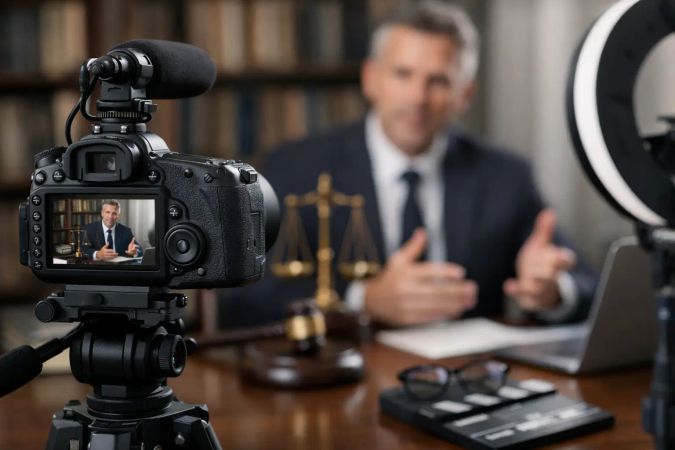
A polished office tour and a partner bio are not a video strategy. If you are evaluating law firm video marketing examples, the real question is not which videos look good. It is which formats actually build trust, improve search visibility, and move a prospective client closer to contact.
For law firms, video works best when it reduces uncertainty. Legal buyers are often stressed, skeptical, and comparing firms that sound similar on paper. Strong video content gives them a faster way to assess credibility. It shows how your attorneys think, how clearly they communicate, and whether your firm feels capable of handling a serious matter.
That is why the best examples are rarely flashy. They are structured, repeatable, and tied to business outcomes. They also translate well into video podcast clips, short social assets, website content, and search-facing media that continue working long after production day.
What strong law firm video marketing examples have in common
The most effective law firm videos do three things at once. They answer a real client question, present the attorney as calm and credible, and create content that can be discovered across multiple channels. If a video only checks one box, it may still be useful, but it is less likely to generate measurable marketing value.
This is where many firms lose momentum. They produce one expensive brand video, post it once, and stop. A better approach is to build a content system around recurring formats. That creates consistency, gives marketing teams more usable assets, and helps attorneys turn expertise into media that compounds over time.
1. Attorney FAQ videos
This is often the highest-value starting point. An attorney answers one specific question a prospect is already typing into search or asking during intake. Topics might include how contingency fees work, what happens after an arrest, how long a business dispute takes, or whether a truck accident claim can involve multiple parties.
The reason this format performs is simple. It meets demand that already exists. It also gives prospects a preview of the firm's communication style. If the explanation is clear and confident, trust rises quickly.
Short FAQ videos also break naturally into clips. One recording session can support a website page, social posts, email follow-up, and search-oriented distribution without forcing attorneys into constant production.
2. Case-type explainers
A case-type explainer is broader than an FAQ. Instead of answering one narrow question, it walks through the key stages of a matter the firm handles regularly. Think employment retaliation claims, probate disputes, maritime injuries, or commercial lease conflicts.
This format helps firms qualify leads before the first call. A prospect who watches a two-minute explanation of what a case involves arrives better informed and with more realistic expectations. That saves time for intake teams and improves conversation quality.
It also helps firms in specialized practice areas. In regions with logistics, shipping, real estate, and trade-related businesses, legal work can be highly nuanced. Video lets a firm explain that nuance in plain English without oversimplifying it.
3. Client journey videos
Many firms want testimonials, but a simple client praise clip is not always enough. A stronger version is the client journey video. It covers the client's situation, why they chose the firm, what the process felt like, and what outcome mattered most.
That structure matters because legal buyers are not just looking for a win. They want to know what it is like to be represented by your team. Were calls returned? Was the strategy explained clearly? Did the client feel prepared rather than left in the dark?
There is a trade-off here. Not every matter allows for public client storytelling, and confidentiality can limit detail. But when the format is available, it is one of the clearest ways to make trust tangible.
4. Partner perspective interviews
One of the most underrated law firm video marketing examples is the long-form interview with a partner or practice leader. This can be produced as a video podcast or studio interview, then cut into smaller segments by topic.
Why does it work? Because legal expertise is often better expressed in conversation than in scripted promotional copy. A strong interviewer can surface judgment, pattern recognition, and strategic thinking in a way that feels natural. That gives the audience a better sense of the attorney's credibility than a polished monologue ever could.
For firms that want authority content at scale, this format is especially efficient. One 30-minute session can generate multiple website clips, social excerpts, and search-friendly topic videos. It is also a practical fit for busy attorneys who do not want to film constantly.
5. Myth-versus-reality videos
Legal misinformation spreads fast. Prospects often arrive with assumptions shaped by friends, social media, or television. Videos that correct common myths can perform well because they challenge a belief and replace it with useful guidance.
Examples include misconceptions about workers' compensation, assumptions about estate planning for small business owners, or confusion around contract enforceability. The key is to keep the tone informative, not dismissive. The goal is not to embarrass the viewer. It is to establish the firm as a reliable source.
These videos also work well as clips because each myth can become a standalone asset.
6. Process videos for new clients
One reason prospects hesitate to contact a lawyer is fear of the unknown. A process video reduces that friction. It explains what happens during the first consultation, what documents to gather, who they will meet, and how communication typically works.
This kind of content may not look glamorous, but it can improve conversion. It lowers anxiety and makes the firm feel organized. For complex legal matters, that sense of structure is often part of the sale.
It is also useful after the lead converts. Firms can reuse the same video in intake emails or onboarding workflows, which makes the content both a marketing asset and an operations tool.
7. Practice-area roundtables
Roundtable videos bring together two or three attorneys to discuss an issue from different angles. This format is especially effective for firms with multidisciplinary strengths, such as real estate and tax, litigation and employment, or business law and estate planning.
What makes roundtables valuable is the depth they signal. A prospect sees not just one attorney's opinion, but a team capable of strategic collaboration. For business clients, that matters. They are often hiring a firm, not just an individual.
Roundtables also lend themselves to video podcast production. In a studio environment, they can be filmed efficiently and repurposed into clips by subtopic, making them a smart option for firms that want recurring content without reinventing the format every month.
8. Community and industry commentary
Some of the strongest examples are not about the firm at all. They are about the environment clients operate in. A law firm might comment on local business regulations, labor law changes, port-related commerce issues, insurance trends, or major court decisions affecting employers and owners.
This works particularly well for firms serving business communities in areas like South Bay Los Angeles and the harbor region, where industry context shapes legal demand. Timely commentary positions the firm as commercially aware, not just legally informed.
The risk is becoming too general. If the commentary sounds like generic news recap, it will not stand out. The best videos connect the update directly to what a client should do next.
9. Culture and recruiting videos with a client lens
Culture videos can help, but law firms often make them too inward-looking. If the content is only about office perks and smiling hallway shots, it adds little business value.
A stronger approach ties culture to client experience. Show how the team collaborates, how matters are staffed, how responsiveness is maintained, or how attorneys prepare for high-stakes work. That tells prospects something useful while still supporting recruiting.
This matters because buyers are evaluating reliability as much as expertise. Culture, presented correctly, becomes evidence of how the firm delivers.
10. Thought leadership series
A recurring thought leadership series is where many firms create long-term advantage. Instead of one-off videos, the firm commits to a repeatable editorial theme - for example, legal issues in commercial leasing, employment risks for growing companies, or strategic planning for family-owned businesses.
This format builds familiarity over time. It also supports search performance because the firm creates a body of relevant, interconnected media around topics that matter to clients. For firms serious about visibility, this is more valuable than sporadic promotional content.
A video podcast model is especially effective here. It gives attorneys a structured setting to discuss timely issues, bring in referral partners or industry guests, and generate content that can live across multiple channels. For professional services brands, that combination of authority, consistency, and repurposing value is hard to beat.
How to choose the right law firm video marketing examples for your firm
Not every firm needs all ten formats. A plaintiff-side practice may get more value from FAQs, client journeys, and process videos. A business law firm may benefit more from partner interviews, industry commentary, and roundtables. The right mix depends on your practice areas, client sensitivity, and how often your attorneys can realistically participate.
The best first move is usually not a cinematic brand film. It is a practical content engine. Start with formats you can repeat, topics your clients already care about, and production that gives you more than one asset per session. That is how video shifts from expense to growth tool.
For firms that want authority without wasting attorney time, studio-based production can make that system easier to sustain. A well-run session creates polished content, but more importantly, it creates discoverable media that keeps reinforcing trust after the cameras are off.
The firms that win with video are not the ones posting the most. They are the ones making it easier for the right client to say, these are the people I want to call.