South Bay LA Video Podcast Studio Guide
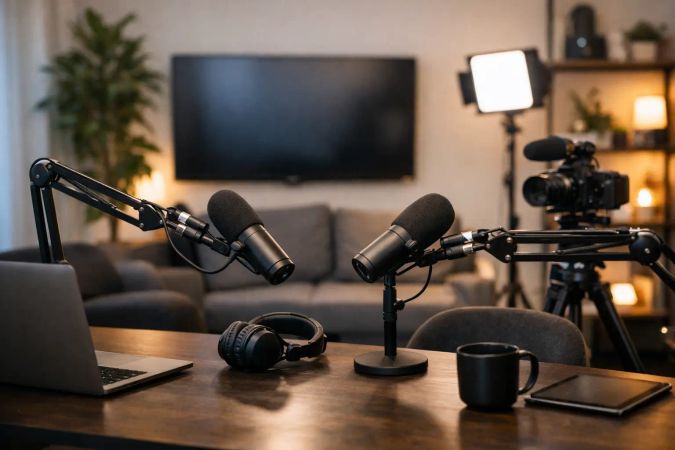
A polished set matters. So does camera quality. But if your video podcast never turns expertise into trust, search visibility, and sales conversations, the production value only gets you halfway there. That is the real question behind choosing a south bay la video podcast studio: are you renting a room with gear, or building a repeatable content engine for your business?
For executive teams, firm partners, and marketing leaders, that distinction is not small. A video podcast can become one of the most efficient ways to turn internal knowledge into public authority. It gives your brand a format for thought leadership, client education, recruiting, social clips, sales enablement, and search-focused media that keeps working long after the recording day ends.
What a South Bay LA video podcast studio should actually deliver
Business buyers often start by comparing aesthetics. The furniture looks good, the lighting is dramatic, the microphones are visible, and the room feels professional. Those things matter because perception matters. If your brand serves commercial real estate, legal, finance, logistics, accounting, or B2B technology, your audience will judge credibility fast.
Still, a strong studio experience should do more than make the room look polished. It should support clear messaging, efficient production, and content outputs that fit how your buyers research and evaluate expertise. That means the right studio is not just a filming location. It is a strategic production environment.
A business-ready video podcast studio should help you record content that can be published in multiple forms without losing authority. One recording session can support a full episode, short clips, quote graphics, topic-based reels, website content, email follow-up assets, and searchable branded media. If that repurposing is not part of the thinking, you are leaving value on the table.
Why video podcasts work so well for professional services and B2B brands
Many companies have plenty to say but no practical format for saying it consistently. Subject-matter experts are busy. Internal teams are stretched. Marketing calendars get filled with one-off campaigns that disappear quickly. A video podcast solves that by creating a repeatable structure.
For serious industries, the format is especially useful because it rewards depth. You are not forced into shallow promotional messaging. You can explain market shifts, answer client questions, break down regulations, comment on trends, and show how your firm thinks. That is where trust starts.
It also creates a better bridge between brand visibility and lead generation. A prospect may not be ready to book a call after seeing a single ad. But they may watch two or three strong podcast clips, visit your site, and decide your team understands the issues that matter. That is a different quality of attention.
There is also a search advantage. Video podcast content naturally creates more indexable topics, more branded media, and more opportunities to align your expertise with the phrases buyers already search. That does not mean every episode will rank on its own. It means consistent, focused production gives your business more surfaces where discoverability can happen.
How to evaluate a South Bay LA video podcast studio
The right fit depends on your goals. A founder-led brand launching a thought leadership series needs something different from a law firm recording quarterly roundtables or a logistics company building an industry interview show.
Start with the production workflow. Ask how easily your team can move from arrival to recording without losing time to setup issues, technical troubleshooting, or vague direction. Decision-makers do not want a five-hour production day that should have taken two. Efficiency matters because leadership attention is expensive.
Next, look at how the studio handles messaging support. Some studios are built for creators who already know how to perform on camera. Businesses often need more structure. They may need help shaping episode themes, organizing talking points, planning recurring segments, or selecting subjects with marketing value. That support can be the difference between content that feels improvised and content that sounds authoritative.
Then consider distribution intent. If the studio experience ends when the cameras stop, you may still be missing the real return. The best business podcast production is designed backward from usage. Where will the clips go? What topics support SEO? Which conversations are best for social reach, sales follow-up, or website authority? Good strategy starts before the first episode is shot.
Finally, judge whether the studio understands your industry tone. A casual creator aesthetic can work for lifestyle content. It may not work for a CPA firm, shipping company, or advisory business where confidence and clarity matter more than trend-driven visuals. The room, pacing, and delivery should fit the level of trust your buyers expect.
The trade-off between convenience and strategy
Some companies choose the nearest studio and move forward. That can work if your team already has a clear show concept, experienced hosts, internal editors, and a strong distribution plan. Most do not.
The more common scenario is this: the business knows video matters, leadership wants stronger visibility, and marketing wants more content that can support search and sales. In that case, convenience alone is not enough. A nearby studio is valuable, especially for teams in South Bay, the Harbor Area, and adjacent business hubs, but proximity should support execution, not replace strategy.
A local studio becomes more valuable when it reduces friction for recurring recording. That is where businesses often win. Monthly or quarterly sessions are easier to sustain when travel is manageable and the production process is consistent. Repetition builds a library. A library builds authority.
What makes podcast content convert, not just look good
Strong business podcasts do three things at once. They establish expertise, create usable marketing assets, and move the audience closer to a decision.
That starts with topic selection. Episodes should not be random. They should align with the questions your prospects ask, the misconceptions they have, the market issues they worry about, and the decisions they delay. If your buyers are comparing options, evaluating risk, or trying to understand complexity, your podcast should meet them there.
It also depends on host performance. That does not mean sounding like a media personality. In many cases, the best on-camera presence is simply clear, concise, and credible. Overproduced energy can hurt trust in professional categories. Buyers want substance delivered well, not forced charisma.
Editing choices matter too. A good cut sharpens the conversation and improves pacing. But aggressive editing can strip away authenticity if every pause disappears and every answer sounds unnaturally polished. The right balance depends on your audience. B2B buyers usually respond well to clarity and confidence, not flash.
Using a video podcast as a search and sales asset
This is where many brands underuse the format. They publish an episode, post a clip or two, and move on. That approach creates activity, but not much compounding value.
A smarter model treats every recording as a source asset. One discussion can support search-oriented website copy, social clips around specific questions, brand authority content for your sales team, and educational media that helps prospects pre-qualify themselves. If someone watches your material and arrives at the first call already informed, your sales process gets shorter and stronger.
This is especially relevant for firms selling expertise rather than commodities. If clients hire you because they trust your judgment, your media should make that judgment visible. A good podcast does not just say you are credible. It demonstrates how you think.
That is one reason companies in fields like legal services, financial advisory, commercial real estate, tax, and logistics can get strong value from a studio-based show. Their knowledge is often their product. Video podcasting gives that knowledge structure, consistency, and reach.
For businesses that want more than generic content production, a partner like Voxel Micro Video Labs can be valuable because the work is framed around discoverability, authority, and business outcomes rather than studio time alone.
When a south bay la video podcast studio is the right move
Not every company needs a podcast immediately. If your messaging is unclear, your leadership team is unavailable, or you do not have any plan to publish consistently, forcing the format can create a backlog of unused footage.
But if your business has expertise, a defined audience, and a need for stronger visibility, a studio-based podcast can be one of the most efficient content systems you can build. It helps you show up with consistency without reinventing the marketing wheel every month.
The key is choosing a studio setup that understands business communication, not just recording. You want a production partner that can help translate what your team knows into content your market can find, trust, and act on.
A smart podcast strategy should make your brand easier to believe, easier to remember, and easier to discover. If a studio can do that, it is not just a place to record. It becomes part of how your business grows.
The best next step is simple: choose a format your team can sustain, speak clearly about what your market already cares about, and treat every recording session like an asset creation day, not a one-time shoot.