Video SEO Trends 2026 That Will Matter
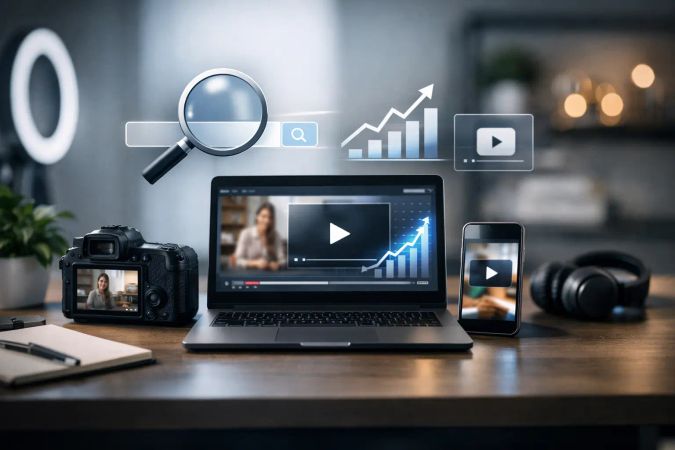
A polished video that gets views but generates no search visibility is becoming an expensive miss. The real shift behind video seo trends 2026 is not just better production or shorter edits. It is the move from video as a brand asset to video as a searchable business asset - something that can rank, support discovery, answer intent, and keep working long after publish day.
For professional service firms, B2B teams, and companies selling expertise, that change matters. Search engines are getting better at understanding spoken language, on-screen context, topic depth, and creator authority. At the same time, buyers are relying more on video to evaluate credibility before they ever fill out a form or schedule a call. That creates a clear opportunity for brands that can publish video with both substance and structure.
Why video SEO trends 2026 are different
Earlier waves of video marketing rewarded novelty, high volume, or platform-specific tricks. In 2026, the advantage goes to businesses that treat video as part of a wider search strategy. That means the best-performing content will not simply entertain or attract passive reach. It will align with real search behavior, reflect subject-matter expertise, and connect to business intent.
This is especially relevant for firms in legal, finance, logistics, commercial real estate, and other trust-driven sectors. Buyers in these categories are not usually looking for viral content. They are looking for clarity, confidence, and signs that your team understands the stakes. A video podcast episode, expert interview, or short branded explainer can do that well if it is built around the questions prospects already ask.
The trade-off is that low-effort publishing will become easier to spot. AI-assisted production can help with speed, but search visibility will favor content that has a clear point of view, useful specificity, and signals of real expertise.
Search is reading your video more closely
One of the biggest shifts in video seo trends 2026 is that search platforms are interpreting more than titles and descriptions. They are processing transcripts, chapter structures, spoken entities, visual cues, and audience interaction patterns with more precision. That raises the value of videos that are intentionally structured.
For businesses, this changes the production conversation. A video should not begin with a long branded intro, vague banter, or generic positioning statements. It should open with a strong answer, a clear topic, or a direct framing of the problem. If your first 30 seconds identify the audience, name the issue, and establish credibility, both viewers and search systems have a better chance of understanding the content quickly.
This is one reason video podcasts continue to gain strategic value. A well-produced video podcast creates repeatable, search-friendly content around recurring topics your buyers care about. It also gives you a deeper archive of expert commentary than isolated promotional videos ever could.
Topical authority will beat one-off uploads
Many companies still approach video as a campaign asset. They produce one brand film, a few social clips, maybe a testimonial, and then stop. That model can support awareness, but it rarely builds durable search authority.
In 2026, consistency around a topic cluster is likely to outperform sporadic uploads. If your firm serves supply chain clients, publish a series on shipping delays, port operations, freight risk, contract issues, and market forecasts. If you serve business owners with tax and accounting strategy, build recurring episodes around tax planning, entity structure, audit readiness, and cash flow decisions.
Search engines are increasingly rewarding patterns. When your content repeatedly addresses a business domain with depth and coherence, you are easier to categorize as a credible source. This does not mean publishing for the sake of volume. It means committing to a focused editorial lane and covering it well.
That is where many firms get more value from a studio-led model. Instead of reinventing each shoot, they create a repeatable format and build a library that compounds over time.
Video podcasts are becoming a serious SEO asset
For companies that want stronger visibility, video podcasts are no longer just a thought leadership format. They are one of the most efficient ways to create searchable media at scale without sacrificing substance.
A strong video podcast supports SEO in several ways. It captures natural language around real business questions. It creates long-form content that can be segmented into clips, topic pages, and follow-up assets. It gives leadership teams a platform to demonstrate expertise in their own voice. Most importantly, it helps prospects evaluate trust before direct contact.
That last point matters more than many marketers admit. In high-consideration B2B sales, ranking is only part of the equation. Once a prospect finds you, the content has to reduce uncertainty. A polished, well-structured video conversation can do that faster than a page of generic marketing copy.
Still, not every podcast format performs equally. Loose conversations with no editorial direction often produce weak metadata, unclear titles, and shallow topic signals. The better approach is to plan episodes around searchable intent. Each conversation should answer a defined question, address a specific market issue, or offer a point of view your audience can actually use.
What businesses should change in their production process
The companies that benefit most from video seo trends 2026 will make changes before post-production. SEO value is increasingly shaped at the planning stage.
Topic selection should start with buyer questions, sales conversations, and industry pain points. A legal firm might cover contract disputes, employment risk, or regulatory shifts. A logistics company might address warehouse bottlenecks, import timelines, or port congestion. A commercial real estate team might explain cap rate changes, lease negotiations, or industrial demand trends. These are not just content themes. They are search opportunities tied directly to revenue conversations.
On-camera delivery also matters. Experts do not need to sound over-rehearsed, but they do need to be clear. Dense jargon, long detours, and vague answers weaken both viewer retention and search understanding. Strong hosts and interview structures help subject-matter experts sound more concise without flattening their authority.
Then there is packaging. Titles need to reflect real intent, not internal branding language. Thumbnails should communicate the topic quickly. Descriptions and chaptering should reinforce the content's meaning. None of this is glamorous, but it improves discoverability.
The role of trust signals in video SEO trends 2026
Search visibility is moving closer to reputation visibility. That does not mean only large brands will win. It means credibility signals will matter more.
For business video, trust comes from recognizable expertise, strong production standards, and message clarity. If your content looks careless, sounds unfocused, or avoids specifics, it will struggle to convert even if it gets impressions. On the other hand, if your leadership team speaks clearly about market realities, client concerns, and practical decisions, your videos can support both ranking and sales readiness.
This is where local and regional relevance can help. A firm serving the South Bay Los Angeles business community, for example, may have an advantage when speaking directly to issues affecting port activity, regional development, transportation, or local commercial markets. Relevance is not just about keywords. It is about speaking to the environment your buyers actually operate in.
Measurement will need to mature
One of the weakest habits in business video marketing is overvaluing views. Views can be useful, but they rarely tell the full story for B2B brands. A video with modest reach that drives branded search, site engagement, and qualified conversations can be far more valuable than a broad awareness clip that does none of those things.
In 2026, smarter teams will evaluate video SEO through a wider lens. Are your videos appearing for the right topics? Are they increasing search impressions around your expertise? Are they driving more time spent with your brand? Are sales prospects referencing specific episodes or clips? Are branded searches rising after consistent publishing?
Those are stronger indicators of strategic impact. They also align better with how serious firms assess marketing investment.
The practical direction for 2026
The safest bet is not chasing every platform shift. It is building a disciplined video system around expertise, consistency, and search intent. For many organizations, that means fewer random uploads and more recurring formats with clear editorial goals. It means treating video podcasts and branded expert content as a discoverability engine, not just a media expense.
Voxel Micro Video Labs is built around that exact idea: helping businesses turn real expertise into polished, recurring video content that strengthens visibility, credibility, and lead generation.
The opportunity in 2026 is straightforward. Companies that publish clear, trust-centered video around the questions their market is already asking will be easier to find and easier to believe. That combination tends to outperform flashy content every time.