Los Angeles Branded Content Studio That Builds Trust
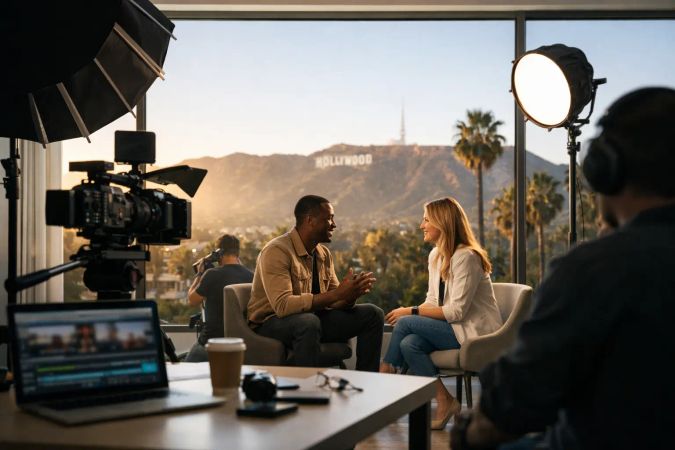
A Los Angeles branded content studio should do more than produce a polished video. For professional service firms, B2B companies, and established local organizations, the real assignment is turning hard-earned expertise into media that prospects can find, understand, and trust before the first sales conversation.
That changes how content should be planned. A cinematic brand film may be useful for a website refresh or major launch, but it cannot carry an entire visibility strategy on its own. Most businesses need a repeatable system that creates credible answers to buyer questions, supports search performance, gives sales teams useful assets, and keeps the company present in its market over time.
Why branded content has become a business asset
Buyers researching legal counsel, commercial real estate partners, financial advisors, logistics providers, technology vendors, or accounting firms are not only comparing services. They are assessing judgment. They want evidence that a company understands the pressures, risks, and decisions specific to their situation.
Strong branded content gives them that evidence before a proposal is requested. A short executive interview can explain a market shift. A video podcast can unpack a complex operational issue with a guest. A focused discussion can clarify what clients should prepare before entering a transaction, audit, expansion, or dispute. Each piece puts real expertise on the record.
This is especially valuable in industries where the work is difficult to evaluate from the outside. A firm may have decades of experience, but a generic services page does little to demonstrate how its people think. Consistent video makes expertise visible, human, and easier to remember.
The commercial payoff is not limited to awareness. Well-planned content can support qualified traffic, longer site engagement, sales follow-up, recruiting, partner relationships, and reputation management. It gives a business more useful touchpoints than a brochure, a paid ad, or an occasional social post.
What a Los Angeles branded content studio should solve
Los Angeles has no shortage of production talent. The difference between a production vendor and a strategic studio is what happens before the cameras turn on and after the edit is delivered.
A business-focused studio begins with the audience, the revenue objective, and the questions prospects are already asking. It identifies which subjects can establish authority without giving away confidential information or turning the content into a sales pitch. It also considers where the finished material will live: on service pages, in sales outreach, across professional social channels, in email campaigns, and within an ongoing search content program.
For South Bay and Harbor Area companies, this often means translating specialized work into clear, credible language. A shipping and logistics company might address port congestion, supply chain planning, or compliance changes. A commercial real estate advisor may discuss lease strategy, industrial availability, or local market conditions. The content does not need to chase viral attention. It needs to be useful to the people most likely to become clients, partners, or referral sources.
Production quality still matters. Poor audio, inconsistent framing, rushed interviews, and weak lighting can undermine the authority the speaker is trying to establish. But polish is the baseline, not the strategy. The more consequential work is helping a subject-matter expert speak naturally, stay focused, and make a meaningful point in language a buyer can use.
Video podcasts create authority at scale
For organizations with substantial expertise but limited internal production capacity, a video podcast is one of the most efficient branded content formats available. It creates a setting where leaders can explain their point of view without the stiffness of a scripted commercial.
A thoughtful conversation also produces more than one asset. A full episode can serve viewers who want depth, while concise clips can address individual questions or observations. The discussion can inform supporting written copy, email topics, sales enablement materials, and future content themes. One well-run studio session can create a practical library of material rather than a single post that disappears after a few days.
The format works particularly well when a company has access to informed guests. An attorney can speak with a business owner about a common legal decision. A tax professional can discuss planning priorities with a financial advisor. A logistics leader can interview a local manufacturer about supply chain realities. These conversations add perspective while widening the audience through professional networks.
There is a trade-off. A podcast without a clear editorial purpose can become a pleasant conversation with little discoverability or business value. Episodes should be built around specific client concerns, market developments, decision points, and recurring misconceptions. The goal is not to fill a release schedule. It is to consistently publish proof that your team understands the work.
The best topics are close to the buying decision
Broad thought leadership has its place, but practical specificity usually performs better for professional audiences. Instead of discussing “the future of commercial real estate,” a firm might explain what tenants should review before a renewal. Rather than offering general tax commentary, an accounting team could address the records business owners need before year-end planning.
These subjects are easier to search, easier to share internally, and more helpful to prospects evaluating whether to contact your firm. They also make it easier for a sales team to send a relevant piece of content after a conversation: “You mentioned this issue. Here is a three-minute explanation from our team.”
Search value requires more than uploading a video
Video can strengthen visibility, but not simply because it exists. Search-oriented media needs clear subject selection, useful titles, accurate descriptions, supporting page copy, and a connection to the services a business wants to grow. The spoken conversation also needs to provide substance. Search systems and AI-driven discovery tools have more reason to surface content that answers a defined question with original, credible insight.
This is where consistency matters. A single brand video may establish a visual standard, but a sustained library of focused content creates broader topical relevance. Over time, a company can demonstrate depth across its service lines, industries, locations, and buyer concerns without repeating the same message.
That does not mean every video needs to target a keyword mechanically. Over-optimized language makes executives sound less credible and viewers less interested. The better approach is to identify real questions, use plain language, and structure the content so the topic is unmistakable. The search opportunity follows the usefulness.
A practical production rhythm for busy teams
The most sustainable approach is often a recurring studio schedule. Rather than arranging an elaborate shoot for every topic, leaders can reserve periodic sessions to record several focused conversations at once. This reduces scheduling friction and gives the marketing team a more predictable content pipeline.
Preparation should be concise. A strong producer will provide topic framing, a few key points, and interview prompts without forcing executives to memorize a script. The speaker should know the business purpose of the episode, the audience it is meant to help, and the next logical question a viewer may have. That is enough to create a direct, confident conversation.
It also helps to establish content categories early. A professional services firm may rotate among client education, regulatory updates, case-based lessons, leadership perspective, and partner interviews. A B2B company may combine operational insights, customer challenges, implementation guidance, and market analysis. Categories prevent repetition while making the editorial plan easier to manage.
Measure the signals that lead to revenue
View count alone is a weak measure for a trust-centered B2B strategy. A highly relevant video with a modest audience may be far more valuable than a broad clip watched by people who will never buy.
Look for signs of commercial movement: qualified website visits, inquiries that reference a video, increased branded search, stronger engagement on service pages, improved response to sales outreach, and more productive conversations with referral partners. Sales teams should also report which videos help move prospects forward. That feedback reveals which subjects deserve additional coverage.
The timeline depends on the industry, the strength of the existing brand, and how often content is published. Firms with long sales cycles may see early value through credibility and follow-up before they see a direct lead attributed to a specific episode. That is not a reason to avoid measurement. It is a reason to evaluate content against the actual way clients make decisions.
Voxel Micro Video Labs approaches studio production as a visibility and authority system, helping experienced teams create video podcasts and branded media that work beyond the shoot day. The strongest content does not demand attention through spectacle. It earns attention by making your expertise easier to find, easier to trust, and easier for the right buyer to act on.